“My Body: A Warzone”—includes intimate portraits of survivors and their experiences of CRSV in Bosnia-Herzegovina, Columbia, Democratic Republic of the Congo and Nepal.
Democratic Republic of the Congo
In the Congo, women and girls face threats every day from armed militias, the military, and even the police who are supposed to protect them. Militias use rape as a weapon of war, destroying communities by targeting women. Tens of thousands of women and girls have been the targets of sexual violence. Attacks are common, and access to medical and psychological support is very limited. Survivors of sexual violence are often too afraid or ashamed to seek treatment and can be shunned by society and their families because of their experiences.
– Raise Hope for Congo
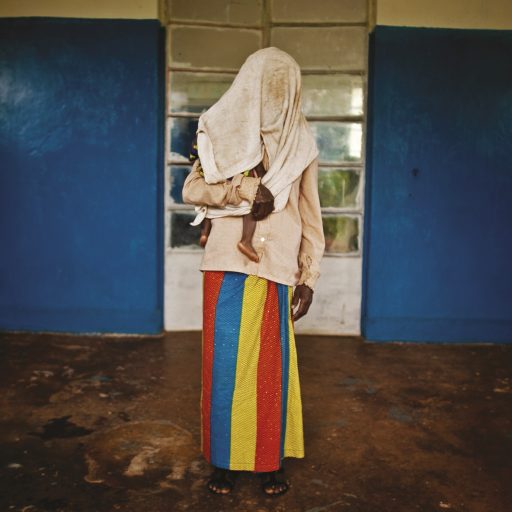

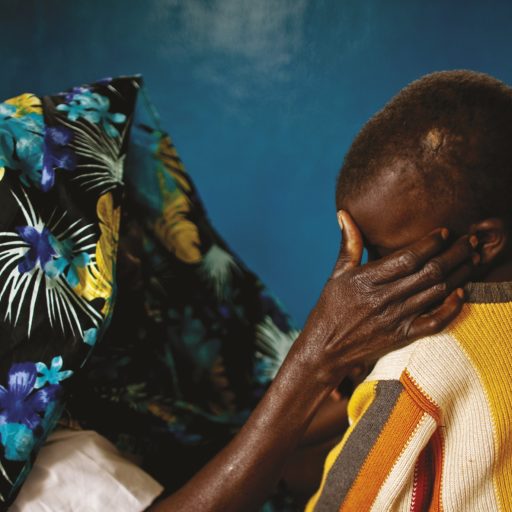
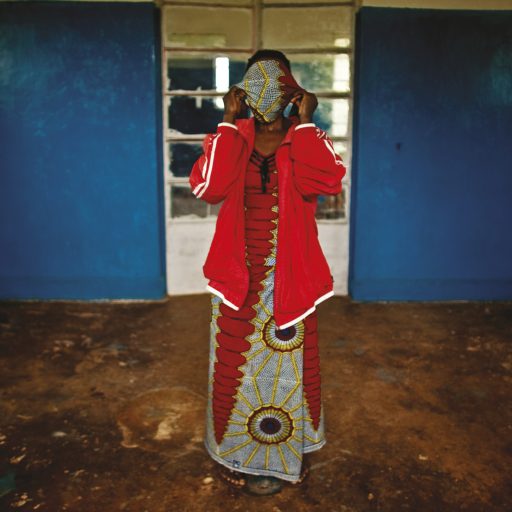
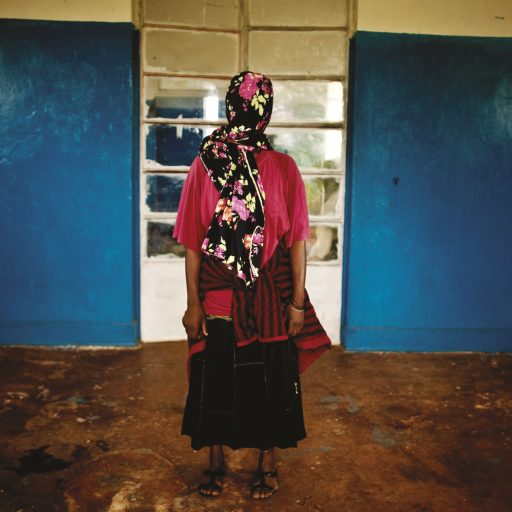
Pete Muller is a photographer and multimedia reporter based in Nairobi, Kenya. His work explores the challenges of nationalism, modern states, war, poverty, and social unrest. Muller has worked in Africa, Afghanistan and the Middle East and has partnered on advocacy campaigns with UNICEF, Human Rights Watch and Amnesty International.
Colombia
For almost half a century, civil conflict involving the state, paramilitary, and guerrilla forces have seized Colombia. As a result, almost four million Colombians are considered “internally displaced” within the country. They have fled various abuses, including gang warfare, forced recruitment, extortion, “social cleansing”, and sexual violence. By some estimates, gender-based violence was the cause of flight for two out of every ten displaced Colombian women. These women have yet to receive any compensation or justice.
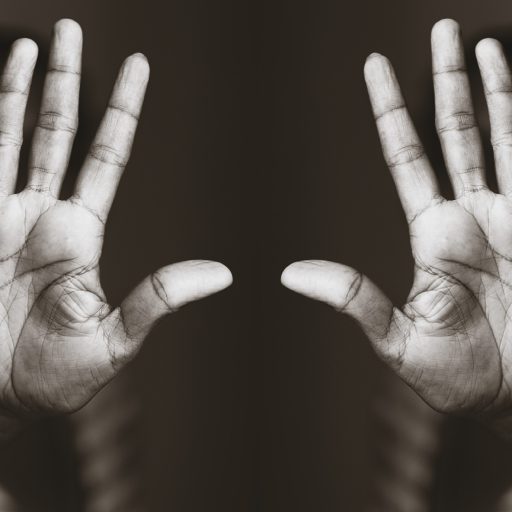
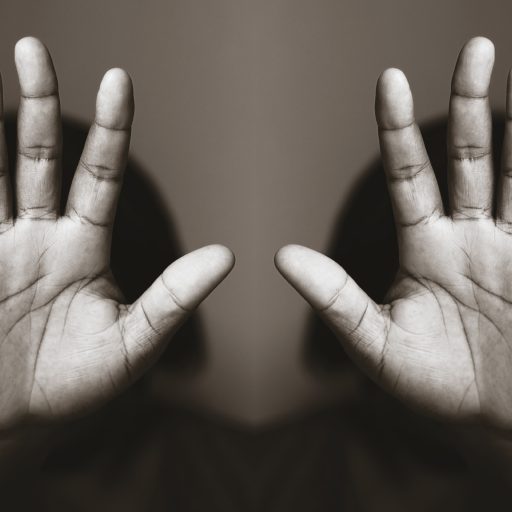
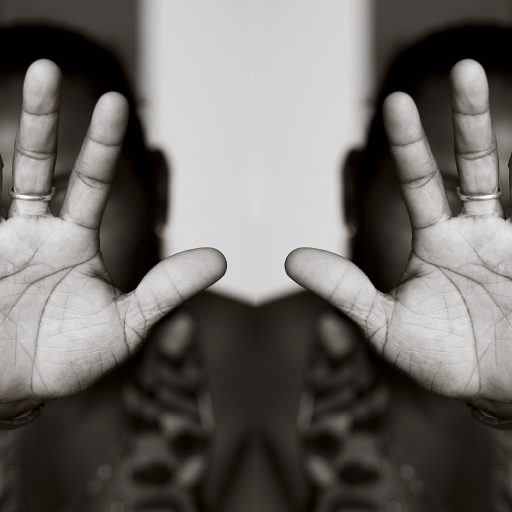
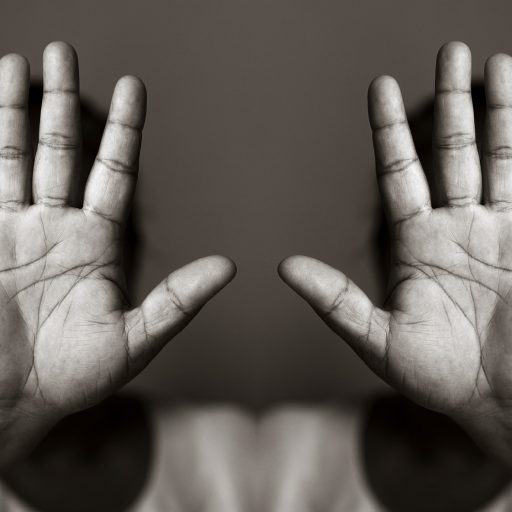
Blake Fitch works in fine art and documentary photography. Fitch has photographed extensively in the United States and Central and South America, focusing on themes of identity, rites of passage, civil rights, and belonging. Her work has been exhibited in museums and venues throughout the world.
Nepal
The Nepali Civil War was an armed conflict between the government and the Communist Party of Nepal Maoist (CPN-M) that took place from 1996 to 2006. More than 17,000 people were killed, and an estimated 100,000 to 150,000 were internally displaced. Combatants on both sides arbitrarily arrested, tortured, and raped people, often keeping them in illegal detention. Women were frequent targets of abuse. Many still await justice while others suffer in silence because of the stigma, rejection, and blame attached to rape in their conservative communities.
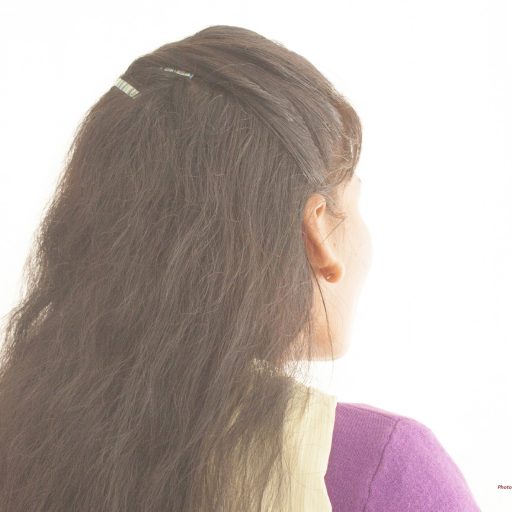
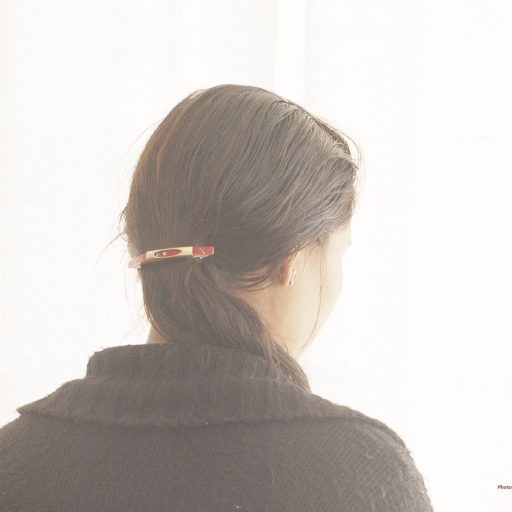
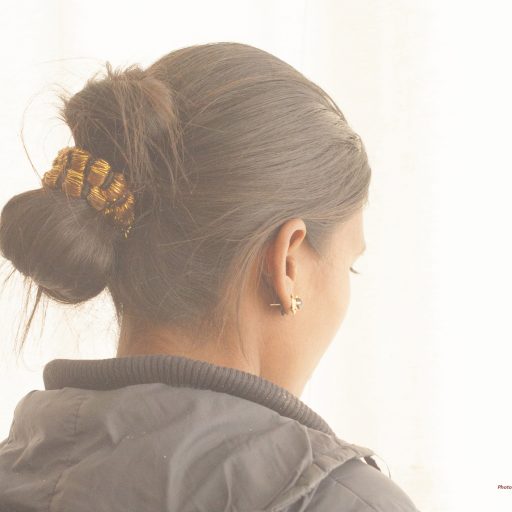

NayanTara Gurung Kakshapati is a Nepali photojournalist who lives in Kathmandu. Her work focuses on her country’s dynamic struggle to find peace after a decade long Maoist’s ‘People’s War’ from 1996-2006. She co-founded photo.circle; a photography collective that offers Nepali photographers a space to exhibit, publish and market their work in Nepal, the region and internationally.
Bosnia and Herzegovina
The United Nations estimates that between 20,000 and 50,000 women were raped in the 1992-1995 war in Bosnia and Herzegovina Fewer that 1,000 women currently receive help from the government as victims of wartime rape. Many of the perpetrators of these crimes have never been prosecuted.
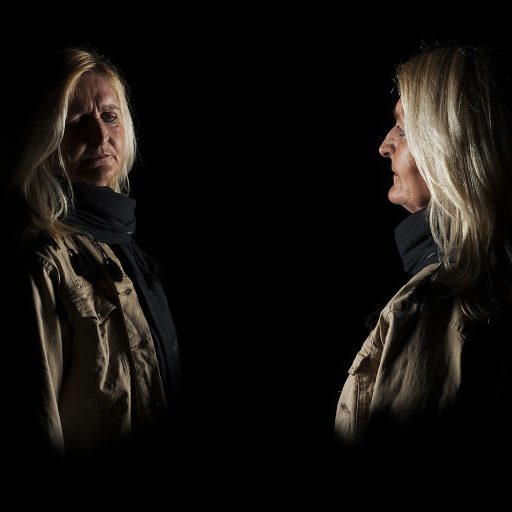
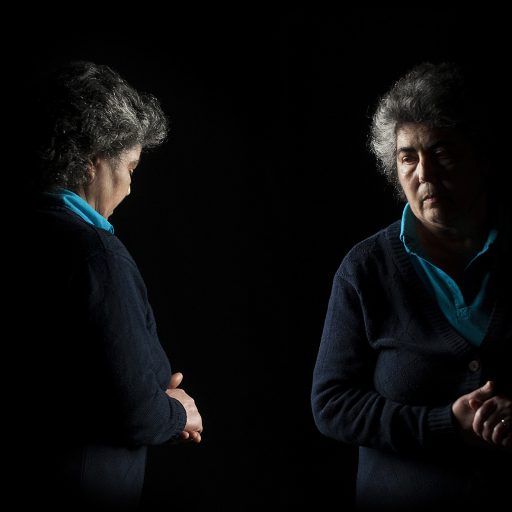
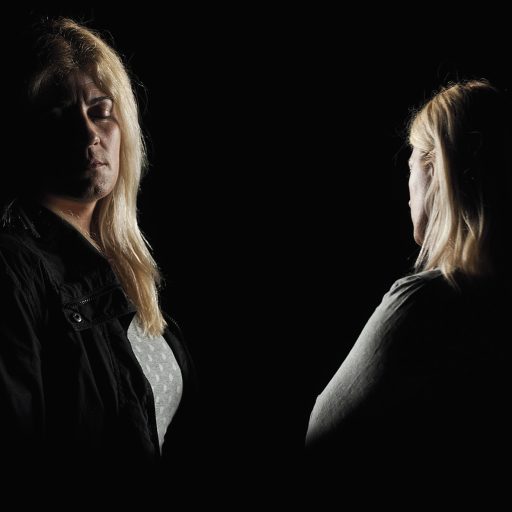
Midhat Poturović is a photojournalist from Sarajevo, Bosnia and Herzegovina. Midhat’s interest in documentary photography is influenced by his childhood experiences, which he spent in besieged Sarajevo during the war from 1992-1995 The war dramatically changed the physical, economic and social environment, thus, he draws his inspiration from the need to capture such changes through photography.